


 Logan Burchett

1 min read
Budget vs forecast: Mastering financial predictions and planning
 Logan Burchett
Mastering financial planning is key to your company’s success. However, the difference between budgets and forecasts often causes confusion. This can...
Budgeting is a key part of managing money. It gives businesses a clear plan to follow and goals to meet. Yet, the real value of a budget isn’t just in the initial numbers. It’s in how businesses handle the natural differences that show up between what was expected and what actually happens.
These differences, or "variances," reveal important details about how well operations are running, what’s happening in the market, and how accurate forecasts are. Managing these budget variances well can greatly improve a company’s financial stability. It helps it stay competitive and boost its growth over time.
With years of financial strategy experience, I’ll share advanced tips that go beyond simply spotting variances. We’ll look at how to turn these financial inconsistencies into valuable opportunities to improve processes, adjust strategies, and fuel business growth.
Key takeaways:
Variance analysis is more than number-checking — it’s strategic. Properly managed variances reveal performance strengths, operational gaps, and opportunities for refinement, making them a powerful tool for business growth.
Both internal and external factors drive variances. Market shifts, economic changes, regulations, operations, human capital, and inaccurate forecasts all contribute — meaning leaders must monitor both controllable and uncontrollable forces.
Smart strategies can turn variances into advantages. Rolling forecasts, advanced analytics, flexible budgets, cross-functional communication, and predictive tools help businesses stay agile and resilient.
Reporting and action matter as much as detection. Clear variance reports, paired with root cause analysis and actionable plans, ensure that insights lead to measurable improvements instead of static observations.
Technology amplifies variance management. AI, real-time tracking, and integrated financial systems help organizations detect trends early, act quickly, and build long-term financial resilience.

Budget variance is simply the difference between what was planned financially and what actually happened. These differences fall into two types: favorable and unfavorable.
A favorable variance means things went better than expected. Like when actual revenue is higher than planned, or expenses are lower than budgeted. On the other hand, an unfavorable variance shows a gap in the wrong direction, like when revenue is less than expected, or expenses go beyond the budget.
Here are the key areas where variances often show up include:
Understanding these variances is essential for strong financial control. Because this knowledge will help make smart decisions. It requires more than just comparing numbers. It involves exploring the causes and impacts of these changes.
Variance analysis transcends mere numerical comparison; it's a strategic tool that provides critical insights into organizational performance and financial health. Effective variance management offers several key benefits:
Neglecting proper variance analysis can lead to missed opportunities, unaddressed issues, and a disconnect between financial expectations and reality. This can lead to poor decisions and weaker financial performance in the long run.

Budget variances come from a mix of internal and external factors. Understanding these will help you manage your budgets more effectively. It also lets you plan ways to handle negative differences and make the most of positive ones.
External factors can really impact budget variances. Shifts in demand, changes in the competitive landscape, or fluctuations in pricing structures, can have a profound impact on an organization's financial performance. For example, When a new competitor appears or a disruptive technology surfaces, sales projections can be thrown off. Furthermore, it often leads to unexpected revenue changes.
Economic changes can also impact budget variances. For example, shifts in interest rates may raise borrowing costs or reduce investment returns.
Rising inflation can increase both income and expenses, which can lead to differences if forecasts aren’t accurate. For large companies that work across borders, foreign currency changes add even more complexity. Because it affects income and costs in various markets.
The regulatory environment is another external factor that can lead to budget variances. New laws or rules may bring extra costs or change revenue flows. For instance, updates to environmental laws could require buying new equipment or adjusting processes that can result in unexpected expenses.
Operational efficiencies, or inefficiencies, also have a big impact on budget variances. When processes perform well or resources are used wisely, costs go down, and productivity goes up.
For example, setting up a new enterprise resource planning (ERP) system might cause some budget issues at first. Initial costs and the time needed to learn the new system could lead to higher expenses. However, over time, it can boost efficiency and create savings.
Unexpected events within a company, like equipment breakdowns or supply chain delays, can affect your budget. These events highlight why it’s smart to include extra room in budgets and plan for risks. And having a strong backup plan and a good risk management strategy helps keep costs under control.
Human capital factors are often overlooked, but they can really impact budget variances. Changes in staffing, productivity shifts, or adjustments in decision-making all play a role in financial outcomes.
For example, losing a key sales team member might cause revenue to drop and create unfavorable variances. On the other hand, boosting employee training can lead to smoother processes and positive efficiency variances.
It’s important to realize that inaccurate forecasting and unrealistic budgets can cause big variances. When revenue is overestimated, or costs are underestimated, it often leads to unfavorable outcomes. This is why basing budgets on solid market research, past performance, and realistic expectations really matters.
External factors recap:
Internal factors recap:

As we have discussed managing budget variances well takes a proactive, strategic approach. So, here are some strategies I use to help organizations handle variances effectively:
Implementing rolling forecasts is a powerful strategy. It moves beyond traditional annual budgets. This method involves regularly updating forecasts, usually every quarter or month. And it helps to capture the latest market trends and changes.
Rolling forecasts provide a more dynamic and accurate picture of expected financial performance that will allow for timely identification and management of variances.
For example: A retail company that uses rolling forecasts can adjust its predictions monthly. It does this by looking at current sales trends, upcoming promotions, and any new market insights.
This approach helps the company quickly spot changes, like stronger-than-expected sales in one product category or increasing costs from a supplier. By constantly fine-tuning its forecasts, the company can make better choices for managing inventory, planning staff, and setting marketing budgets.
Using advanced analytics is the second important strategy for managing budget variances today. Financial software may now automate variance checks and provide real-time insights that immediately reveal where substantial discrepancies exist.
This allows teams to conduct a thorough analysis of what is causing the problems. Often, these tools integrate machine learning features that can detect unexpected patterns or flaws that would be difficult to detect manually.
For example: an advanced analytics system that flags a sudden rise in expenses for a specific department. This alert might lead to finding a process that’s not working as efficiently as it should.
And fixing that process could save the organization a lot of money over time. The main point is not just spotting the unusual change. Instead, it’s about using analytics tools to dig deeper, understand the cause, and take smart actions to improve.
Creating flexible budgets is a smart way to keep up with changing business needs. Unlike static budgets, which set fixed targets, flexible budgets adjust based on actual activity levels. This approach works especially well in industries with shifting demand or changing costs.
For example: Consider a manufacturing company that makes custom machinery. A flexible budget helps adjust costs based on the actual number and complexity of orders. If the company receives more complex orders than expected, the budget can automatically increase to cover higher material and labor costs. This approach provides a realistic baseline for comparing expenses, as it aligns costs with the actual level of activity.
The next smart strategy is to set up regular budget reviews every month or quarter. This simple habit helps you spot any budget changes early. With quick check-ins, you can make adjustments right away. Plus, it keeps your budget on track all year long. By taking these small steps, you’ll keep your budget relevant and effective.
Promoting clear communication across teams is a key, yet often ignored. And financial differences don’t just appear on their own. They often come from complex connections between different parts of the business. So, by encouraging open conversations between finance, operations, sales, and other departments, companies can gain a better and more complete view of what causes variances.
For example: A software company might see a sales increase as purely good news at first. But with more open communication, they might learn that the sales team has been using big discounts to close deals. While this boosts sales now, it could cause problems later if the discounts are too steep. By sharing ideas across sales, finance, and product teams, the company can find a better approach. This way, they can set prices that meet both short-term sales goals and long-term profit goals.

Setting ambitious goals can boost performance, but budgets that are too high can lead to big gaps in results. You need to aim for targets that are both challenging and achievable, using detailed market research and past results as a guide. It’s also smart to add extra flexibility for any market changes or surprises.
Using a variance threshold system is a smart and practical strategy. This system sorts variances by their size and possible impact. Not every variance needs the same level of attention or action. By setting clear thresholds, companies can focus on the most significant variances, using resources where they matter most. Meanwhile, they can keep an eye on smaller variances to watch for patterns or growing effects.
For example: In large companies, different departments or types of expenses may have unique thresholds. For instance, a 5% change in office supply costs might not need any action. But a 2% change in the cost of key raw materials could trigger an immediate check. This approach makes sure that management’s time and resources go where they’re most needed. It also helps them focus on fixing issues that impact the business.
When big differences show up in results, it’s essential to dig deep to find the real reasons. This means bringing together a team from different areas. Everyone's input helps to uncover all the factors that may be causing the issue.
The goal is to look past simple explanations and get to the root causes. Only then can we truly understand what’s driving the variances and make meaningful improvements.
For example: If a company faces a big increase in labor costs, a quick look might blame it on overtime pay. However, a deeper root cause analysis might reveal that the overtime is due to inefficient production scheduling.
This scheduling issue might come from poor communication between sales and operations teams. By tackling these real causes, the company can solve the current issue. And can also stop it from happening again in the future.
For ongoing issues, create clear action plans to address each one. Break down specific steps to resolve the issue, assign responsibilities, and set deadlines. This way, everyone knows their part and when to check progress.
In this strategy, you can use advanced prediction models to spot future budget variances. These models can forecast shifts in the market, customer behavior, or company operations that might lead to changes. By anticipating these shifts, you can act early to reduce risks or improve results.

Effective variance reporting turns data into useful insights:
Identifying variances is just the first step. To make real improvements:
Modern technology can truly boost how you manage variances. Here are a few ways to make it happen:

Common mistakes to watch out for:

Managing the difference between actual and budgeted results is key for any company. With the right strategies, you can turn variance analysis into a proactive tool. Instead of just looking back at what happened, use it to boost performance and support better decision-making.
The goal isn’t to eliminate variances but to understand them, learn from them, and use them to improve business performance. Keep refining your approach to managing variances, balancing technology with smart CFO insights to handle financial challenges and take advantage of new opportunities.
Your financial insights are more than numbers, they’re a roadmap for long-term success. So, you can work with our team of financial experts to turn variance analysis into practical strategies that spark growth and boost resilience. Because how well you use these insights today can shape the future of your business.

Subscribe on YouTube to get notified when we post new content
Get notified about new events, free resources, and fresh content

1 min read
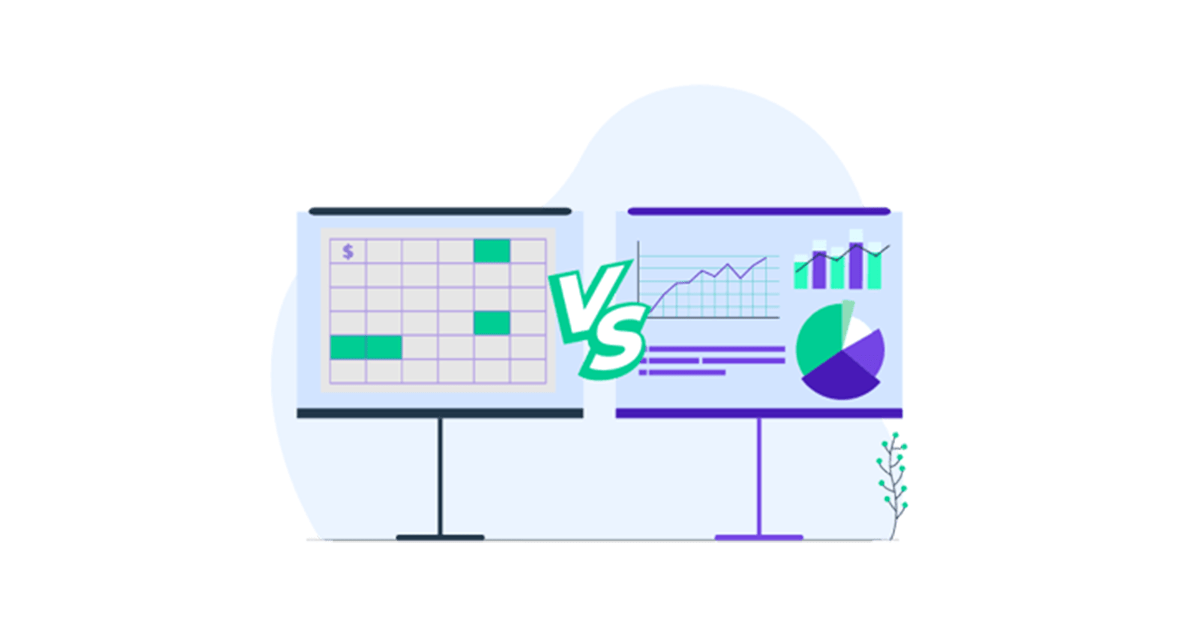
Mastering financial planning is key to your company’s success. However, the difference between budgets and forecasts often causes confusion. This can...
1 min read
In today’s competitive economic climate, early-stage founders must be able to track and report their success using data. Investors want to see...

1 min read
Diving into budget models is far from just playing with numbers; think of it as your strategic secret weapon for driving your business to new...
 Jeff Erickson
 Evan Diaz de Arce